
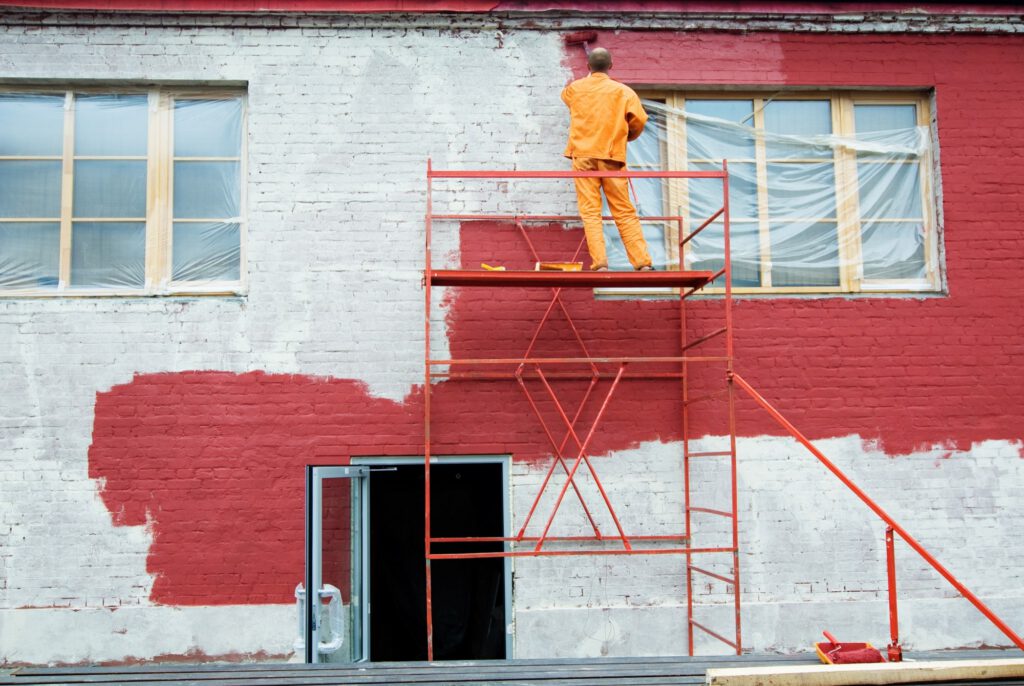
Exterior paint is only as good as the conditions it goes on in. The same product, applied by the same painter, can last years longer when it is put on at the right temperature and humidity, on a dry surface, with no rain for a day afterwards. Sydney has a mild climate, so exterior painting can happen most of the year, but some seasons make it much easier to get a durable finish.
Autumn and spring: the best seasons
Sydney’s dry autumns and mild springs are ideal for exterior painting. Days are warm enough for paint to cure properly, nights are not cold enough to leave dew sitting on the walls for long, and humidity is usually lower than in summer. Most paint manufacturers recommend applying exterior acrylics when air and surface temperatures are between about 10°C and 35°C, and these seasons sit comfortably in that range for most of the day.
Because they are the most reliable seasons, they are also the busiest. If you want your house painted in autumn or spring, it pays to get quotes a month or two ahead.
Winter: workable with planning
Sydney winters are mild, and plenty of exterior work goes ahead. The main limits are short days and dew. Painters start later in the morning, once walls have dried out, and finish early enough for the paint to skin over before the evening dew settles. South-facing walls that never see the sun dry slowly, so they are often scheduled for the middle of the day.
Summer: heat and storms
Summer can work too, but it needs more care. On hot days, a west-facing wall in direct afternoon sun can be far hotter than the air temperature. Paint applied to a hot surface dries too fast, which can leave lap marks and brush marks and can weaken adhesion. Good painters follow the shade around the house: east walls in the morning, west walls once the sun has moved off them.
Summer storms are the other risk. Most exterior paints need several hours without rain after application, and a sudden downpour on fresh paint can leave streaks or wash it off. Watching the forecast and keeping a flexible schedule matters more in summer than any other season.
What we look for in the forecast
Whatever the season, we aim for days with:
- temperatures inside the paint manufacturer’s range for both the air and the wall surface;
- moderate humidity, so the paint can dry and cure properly;
- no rain forecast for at least 24 hours after application; and
- light wind, which reduces dust settling in wet paint and spray drift.
Preparation matters more than the season
Even perfect weather will not save a paint job on a poorly prepared surface. Before any exterior project we inspect for peeling paint, chalking, timber rot, cracked render and failing sealant. These are fixed first: loose paint is scraped back, chalky walls are washed and sealed, cracks are filled with flexible products, and bare timber is primed. Doing this properly is what makes a new coat last for years rather than months.
How long does exterior paint take to dry?
Most exterior acrylics are touch dry within an hour or two and ready for a second coat within a few hours in good conditions. Full curing takes longer, often a couple of weeks, so it is best to avoid washing new paintwork or leaning ladders and furniture against it straight away. Cool or humid weather slows both drying and curing, which is another reason the season matters.
Planning your exterior repaint
If you are thinking about an exterior repaint, start with an inspection. It tells you what preparation your home needs, how long the job will take on site, and which time of year suits your walls and your schedule. See our exterior painting service for what is involved, or contact us for a free, itemised quote.